הקריאות לחרם בביאנלה בוונציה הולכות ומתרחבות – לצד הקריאה לחרם על הביתן הישראלי בוונציה נוספה כבר לפני מספר שבועות קריאה להחרים את הביתן הרוסי וכעת גם הביתן האמריקאי על הכוונת.
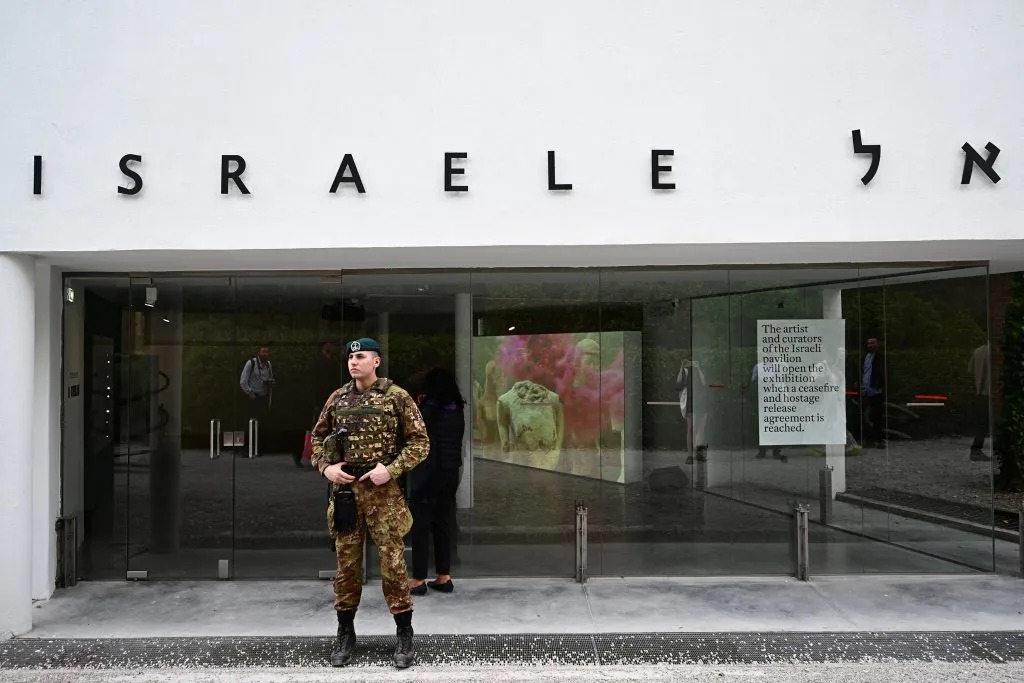
מדובר בקריאה שבבסיסה שתי הנחות: הראשונה היא היקש לוגי מובן מאליו – בביאנלה שבה אמנות מקוטלגת לפי מדינות לאום הצגה בביתן לאומי מייצגת את המדינה. ניסיונות, מביכים, להתפתל ולהתחמק מעובדה זו לא צולחים. כך הסגירה של הביתן הישראלי שביקשה להלך בין הטיפות, תוך מחאה אמורפית שלא ברור כנגד מי כוונה, לא התקבלה היטב לעומת סגירת הביתן הרוסי ב 2022 שנעשתה באופן חד ובהיר תוך הצהרה של האמנים שהם מסרבים לייצג את מדינתם שעה שהיא תוקפת באוקראינה.
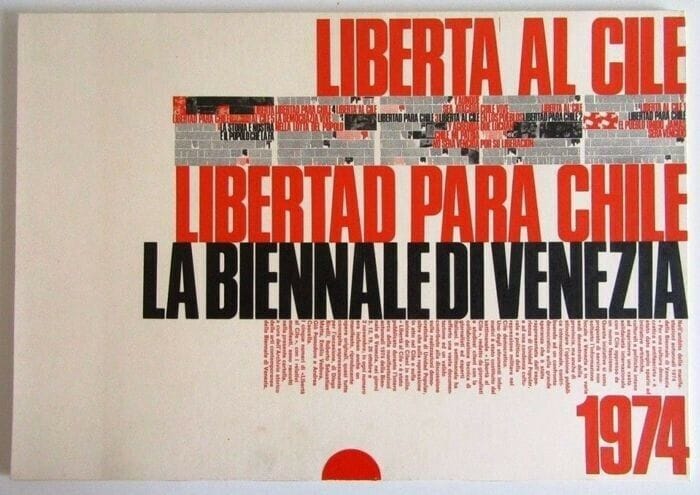
ההנחה השנייה היא לגבי תפקיד הביאנלה, ובאופן נרחב יותר לגבי הקשר בין אמנות ופוליטיקה, בין אמנות ומוסר. הקריאה לחרם יוצאת מההנחה שהביאנלה, כגוף תרבות, מחויבת לנקוט עמדה. הנחה זו נסמכת על שורת תקדימים בעיקר בשנות ה 70 אז נערכה ביאנלה שהוקדשה כולה לתמיכה בצ’ילה (לאחר ארה”ב גרמה להפלת הנשיא איינדה שנבחר בבחירות דמוקרטיות והביאה לעליית הדיקטטור פינושה), נערך חרם ממושך על דרום אפריקה שחזרה להציג בביאנלה רק ב 2011, והתקדים המהדהד של התמיכה הבלתי מסויגת באוקראינה ב 2022. הביאנלה שאצרה ססיליה אלמאני הוציאה הודעת תמיכה בלתי מתפשרת באוקראינה. התקדימים האלו עומדים כולם בסתירה מוחלטת לטון הפייסני וההתעטפות בהילת אוניברסליות שנוקטת הנהלת הביאנלה כיום. באתר הרשמי של הביאנלה נכתב “כל מדינה המוכרת על ידי איטליה רשאית להשתתף —… יצוין כי גם מדינות שאינן מוכרות על ידי איטליה מצאו לאורך השנים דרכים להשתתף במסגרת אירועי הלוויין (Collateral Events)…….הביאנלה של ונציה דוחה כל צורה של הדרה או צנזורה על תרבות ואמנות… היא כמרחב של דיאלוג, פתיחות וחופש אמנותי, המעודד קשרים בין תרבויות ומביעה תקווה לסיום סכסוכים וסבל…”

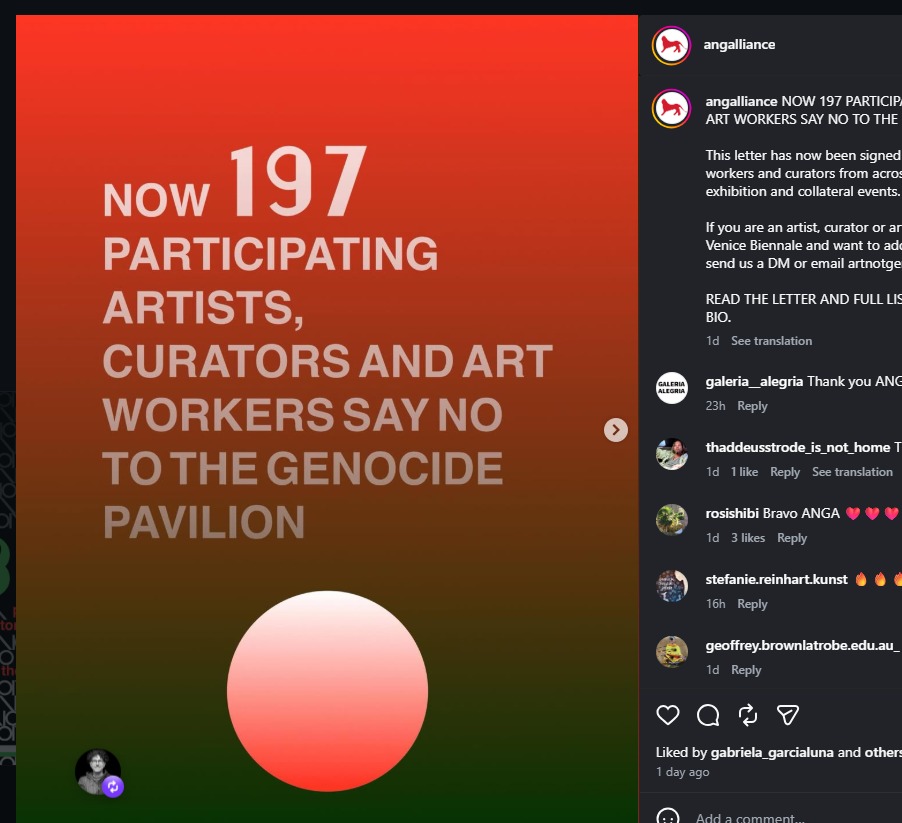
החרם על הביתן הישראלי מדובר ביותר, גם משום שהתשתית הארגונית לקריאה זו קיימת כבר מהביאנלה ב 2024 (התארגנויות BDS החלו כבר ב 2005). ארגון Art Not Genocide Alliance שעמד מאחורי העצומה, ההפגנה ופאמפלטים נגד הנוכחות הישראלית יצא כבר באוקטובר 2025 בקריאה שלא לאפשר לישראל להציג. הקריאה הזו מתמקדת בכך שהנהלת הביאנלה הקצתה לישראל חלל בארסנלה, סמוך מאד לתערוכה הבינלאומית וזאת משום שהביתן הקבוע בג’רדיני, כך טוענות ישראל והנהלת הביאנלה נסגר לשיפוצים. הקצאת החלל יוצאת דופן מכל בחינה – מדינות ללא ביתן נאלצות לשכור חללים, בדרך כלל ברחבי העיר משום שהחלל בארסנלה רחוק מלהספיק לכל המדינות חסרו הביתנים. מעבר למה שנתפס כאפליה לטובה נטען שהשמירה הביטחונית שתהיה על הביתן תיצור אווירה מאיימת. נכון להיום המפתיע בפעילות הארגון היא דווקא המספר המצומצם של החותמים על העצומה נגד ישראל : נכון ל 2 באפריל היו רק 197 חותמים על העצומה, (ערב הביאנלה 2024 היו 24,076 חותמים על העצומה נגד ישראל) מתוכם רבים אנונימיים (גם פעילי הארגון שומרים על אנונימיות לדבריהם בשל החשש מסנקציות שינקטו נגדם). למרות המספר הקטן זאת מדובר בקריאה של אנשי מפתח בהם Rasha Salti, Gabe Beckhurst Feijoo, Rory Tsapayi,שלושה מאוצרי התערוכה הבינלאומית, ואוצרות/ים ןאמניות/ ים המייצגים את בריטניה, הולנד, פינלנד, ספרד, קטאר, מלטה, מונטנגרו, איסלנד ועובדי אמנות רבים מהביתנים הלאומים, התערוכה הבינלאומית והתערוכות בחסות הביאנלה.
הקריאה להחרים את הביתן הרוסי היא הקריאה שיצרה, עד כה, את ההד המשמעותי ביותר. אחרי שתי ביאנלות בהן נעדרה, רוסיה הודיעה שתחזור ותציג ב2026 בביתן עם תערוכה מרובת משתתפים שכותרתה The Tree Is Rooted in the Sky, והיא חלק ממאמץ רוסי לחזור למעגל התרבות הבינלאומי.
הביתן נסגר בביאנלה 2022, שנפתחה חודש לאחר תחילת המתקפה הרוסית על אוקראינה, משום שהאמנים הרוסים סרבו להציג שעה שארצם פתחה במלחמה באוקראינה והשתיקה הפגנות אנטי מלחמתיות. במהלך הביאנלה שמרו על הביתן הריק שומרים חמושים מחשש להתנכלויות. ב 2024 החליטה רוסיה, מבעוד מועד,לא להשתתף והשאילה את הביתן לבוליביה. בשום שלב לא הודיעה הביאנלה על חרם כלפי רוסיה. אחרי ההודעה על השתתפות רוסיה בביאנלה 2026 חתמו 22 שרי תרבות וחוץ אירופאיים, בהם של גרמניה, צרפת, ספרד ודנמרק – על מכתב הקורא לביאנלה לאסור על פתיחת הביתן. במקביל איימה נציבות האיחוד האירופאי,ה EU שתשלול מהביאנלה תקציב של כשני מיליון יורו – תמיכתה באירוע, משום שהצגת הביתן תהיה בבחינת הפרת הסנקציות על רוסיה. שר החוץ האיטלקי הודיע שיבדוק טענה זו אך נכון להיום, מאז המכתב והאיום שנעשו ב 10 למרץ לא נעשה דבר.
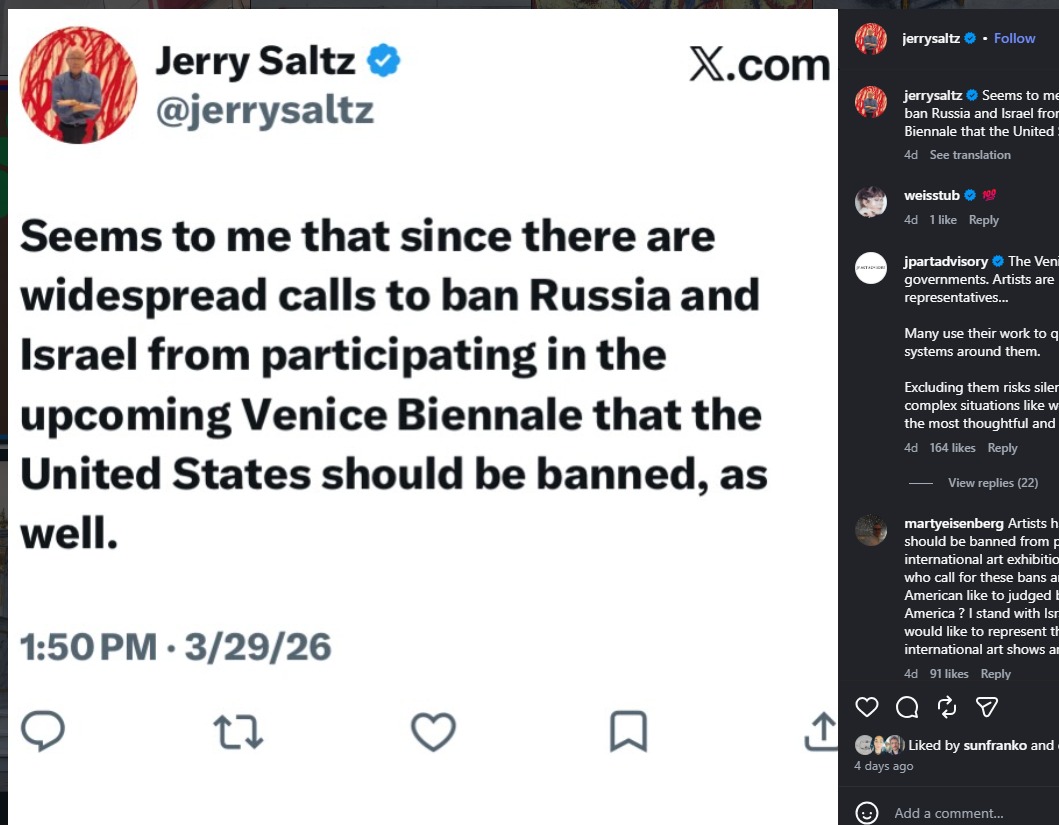
הקריאה להחרים את הביתן האמריקאי נשמעה בשולי הקריאות לחרם על ישראל אך מכתב שנשלח לביאנלה לפני ארבעה ימים הפך אותה לחלק מהתביעה מהמנהלת הביאנלה לנקוט עמדה כנגד “כל המשטרים המבצעים פשעי מלחמה” היא חתומה על ידי 73 אמנים בהם אלפרדו ג’אר הצ’יליאני וזואי לנארד האמריקאית ושוב, שלושה מאוצרי התערוכה הבינלאומית. רוח גבית קיבל המכתב מפוסט שפרסם מבקר האמנות ג’רי זלץ האמריקאי שקרא אף הוא להחרים את הביתן של ארצו.
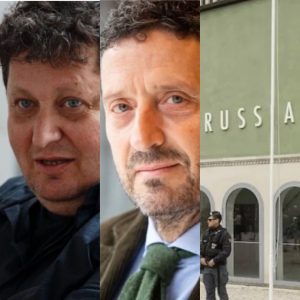
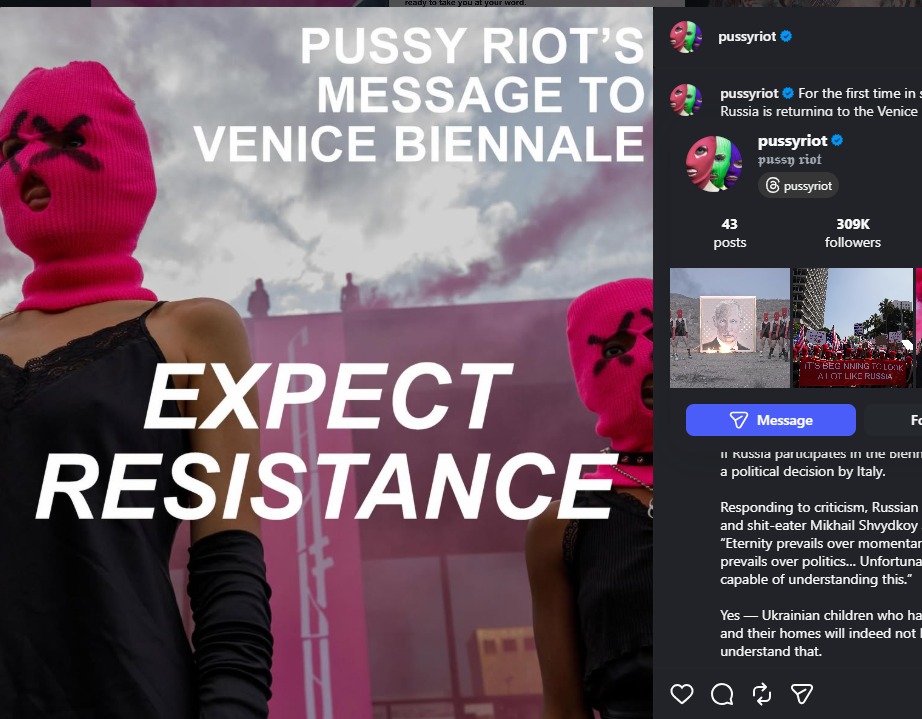
מי שעומד כנגד קריאות אלו באופן עיקש הוא Pietrangelo Buttafuoco, נשיא ארגון הביאנלה. בוטפוקו הוא איש ימין, שהתאסלם ב 2015 ומונה לתפקידו הנוכחי בידי הממשל של ג’ורג’יה מלוני ב 2023.בשנים האחרונות, תוך כדי המלחמה באוקראינה הביע הערכה רבה לפוטין. ספק עם תחת ההנהגה שלו תחזור הביאנלה לנקוט עמדה פוליטית ביקורתית אך האיום של הנציבות האירופאית, יחד עם אי הנחת הגובר של רבים בעולם האמנות מבטיח שהפתיחה של הביאנלה במאי תהיה מעניינת, ולא רק בגלל האמנות. קבוצת האמניות PUSSY RIOT כבר הבטיחה שהביתן הרוסי לא יפתח ללא התנגדות.
Protesting U.S., Israel, and Russia participation in Venice Biennale 2026
Calls for boycott at the Venice Biennale are intensifying. Alongside the ongoing campaign targeting the Israeli Pavilion, calls to boycott the Russian Pavilion were issued several weeks ago, and more recently the American Pavilion has also come under scrutiny.
These calls rest on two central assumptions. The first is a seemingly self-evident proposition: in a biennial structured around national representation, participation in a national pavilion constitutes an act of representing the state. Attempts—often awkward and unconvincing—to evade or complicate this fact have largely failed. The closure of the Israeli Pavilion, which sought to navigate a position of vague, non-specific protest, was not received positively. This stands in contrast to the closure of the Russian Pavilion in 2022, which was executed with clarity and conviction, as participating artists publicly refused to represent their country following its invasion of Ukraine.
The second assumption concerns the role of the biennial itself, and more broadly the relationship between art, politics, and ethics. Boycott initiatives operate on the premise that the biennial, as a major cultural institution, bears a responsibility to take a political stance. This position draws on historical precedents: the 1970s Venice Biennale dedicated to Chile following the overthrow of Salvador Allende, the prolonged cultural boycott of apartheid South Africa (which only returned to the Biennale in 2011), and the unequivocal institutional support for Ukraine in 2022 under the direction of Cecilia Alemani. These precedents stand in stark contrast to the conciliatory tone and claims to universality currently adopted by the Biennale’s leadership, which frames itself as a space of dialogue, openness, and artistic freedom.
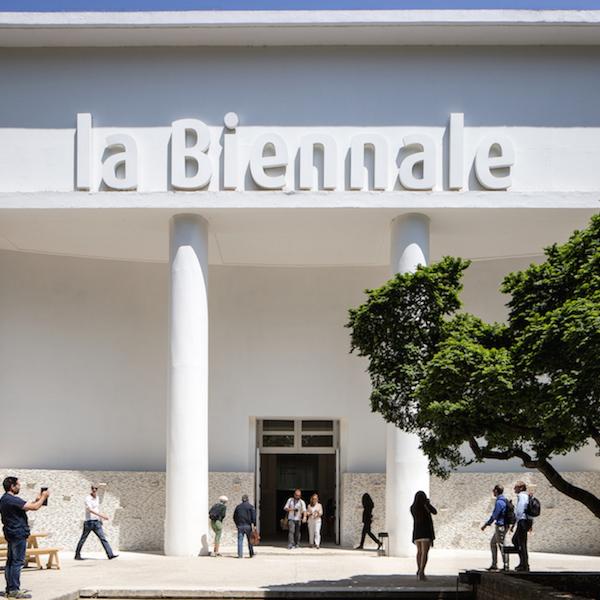
The boycott of the Israeli Pavilion has received the most sustained attention, not least because of the organizational infrastructure behind it, rooted in BDS movement networks active since 2005 and mobilized already during the 2024 Biennale. The Art Not Genocide Alliance, which organized petitions, protests, and advocacy campaigns, called as early as October 2025 for Israel’s exclusion. Central to this call is the Biennale’s decision to allocate Israel a space in the Arsenale—adjacent to the International Exhibition—on the grounds that its permanent pavilion in the Giardini is under renovation. This allocation is highly exceptional: countries without permanent pavilions are typically required to secure independent venues across the city, as the Arsenale cannot accommodate all such participants. Beyond what is perceived as preferential treatment, critics argue that the anticipated security presence will generate an atmosphere of intimidation.
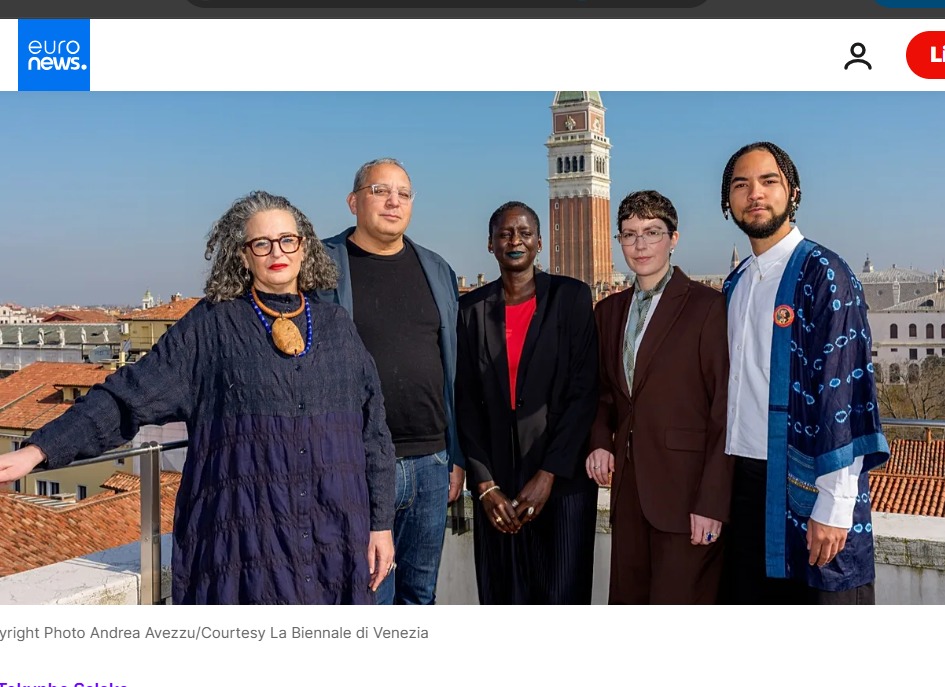
Notably, the petition against Israel has, so far, attracted relatively limited support: as of April 2, only 197 signatories (many anonymous), compared to over 24,000 signatories on the equivalent petition in 2024. Nonetheless, the initiative includes influential figures such as Rasha Salti and Gabe Beckhurst Feijoo—members of the curatorial team of the International Exhibition—as well as artists and curators representing multiple national pavilions.
The call to boycott the Russian Pavilion has, to date, generated the most significant institutional impact. After two editions of absence, Russia has announced its return in 2026 with a group exhibition titled *The Tree Is Rooted in the Sky*, part of a broader effort to re-enter the international cultural arena. The pavilion had been closed in 2022, shortly after the invasion of Ukraine, when participating artists withdrew in protest; during that edition, the empty pavilion was guarded due to concerns over potential attacks. In 2024, Russia preemptively withdrew and loaned its pavilion to Bolivia. At no point did the Biennale formally impose a boycott on Russia.
Following Russia’s announced return, 22 European ministers of culture and foreign affairs—including those of Germany, France, Spain, and Denmark—signed a letter urging the Biennale to prevent the pavilion’s reopening. Simultaneously, the European Commission threatened to withdraw approximately €2 million in funding, arguing that Russia’s participation could violate existing sanctions. Although the Italian Foreign Minister stated that the issue would be reviewed, no concrete action has been taken since these developments in March.
The call to boycott the American Pavilion initially emerged at the margins of the campaign against Israel, but has recently gained traction. A letter sent to the Biennale calls on its leadership to take a stance against “all regimes committing war crimes.” It is signed by 73 artists, including Alfredo Jaar and Zoe Leonard, as well as members of the International Exhibition’s curatorial team. This position was further amplified by a public statement from art critic Jerry Saltz, who also called for a boycott of the U.S. Pavilion.
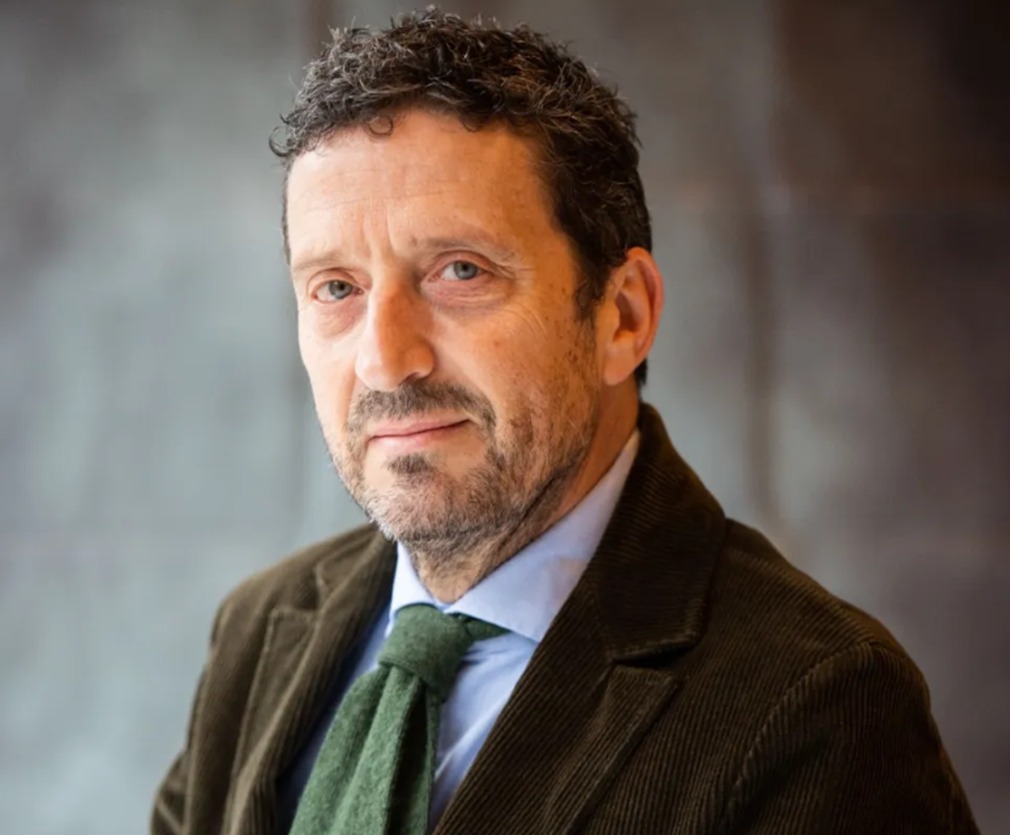
Standing firmly against these calls is Pietrangelo Buttafuoco, President of La Biennale di Venezia. Appointed in 2023 by the government of Giorgia Meloni, Buttafuoco is a right-wing intellectual who converted to Islam in 2015 and has, in recent years, expressed admiration for Vladimir Putin. It is therefore unlikely that, under his leadership, the Biennale will adopt a critical political stance. However, mounting pressure—from European institutions as well as from within the art world—suggests that the Biennale’s opening in May will be marked by significant political tension. The activist collective Pussy Riot has already declared that the Russian Pavilion will not open without protest.