שלושה ביתנים לאומיים מבטיחים בביאנלה 2026
מבט על שלושה מהביתנים הלאומיים בביאנלה 2026 שהאמנות בהם מבטיחה להיות מרתקת. הדיון באמנות שתוצג נדחק בידי הסערות הפוליטיות המלוות את האירוע סביב הביתן הרוסי, הישראלי והאמריקאי. הדיון נובע משאלת היחס בין לאומיות, פוליטיקה ואמנות בביאנלה שההשתתפות בה היא לפי מדינות לאום – ובכל זאת – האמנות היא לב הביאנלה.
הביתן של טאיוון ב Palazzo delle Prigioni
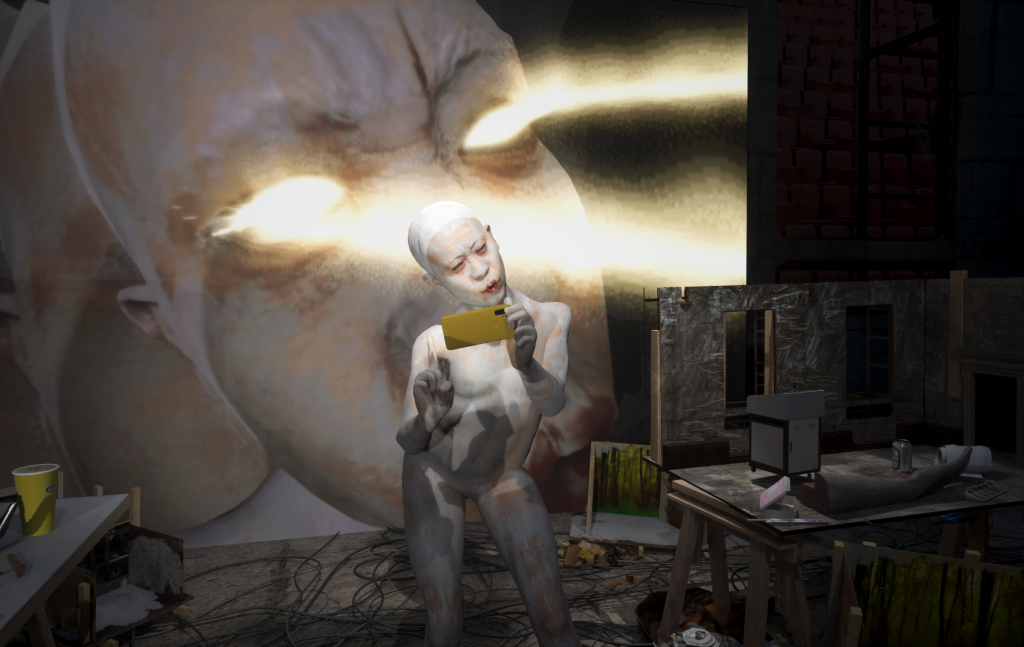
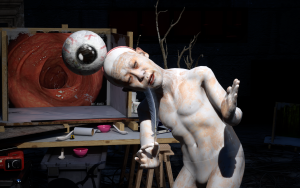
מלנכולית המסך Screen Melancholy: Li Yi-Fan
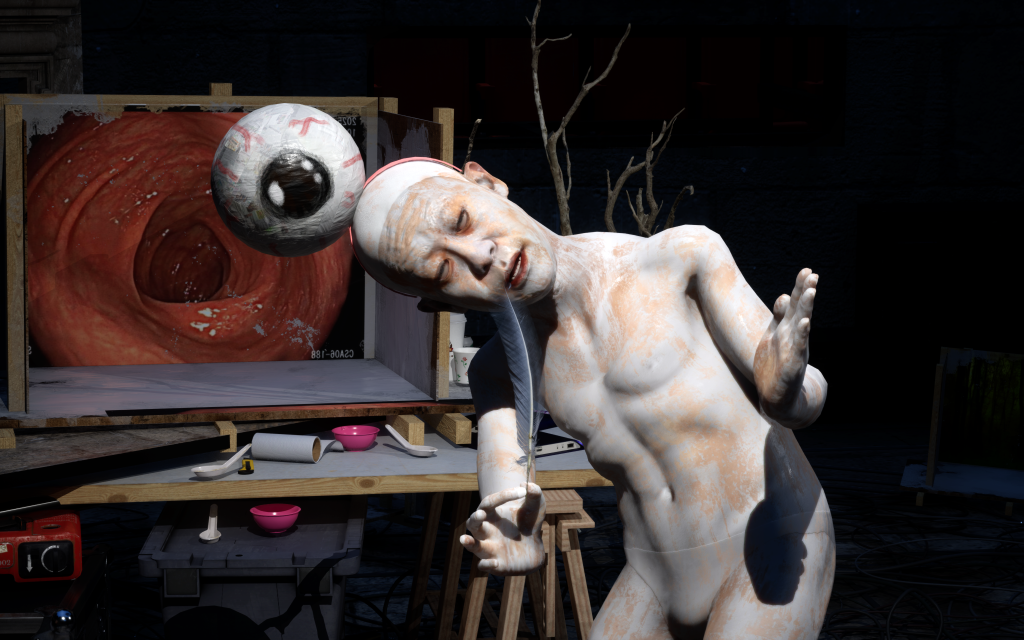
האמן עובד עם מנועי משחק, ועושה שימוש ברינדור בזמן אמת ובאימפרוביזציה. בהומור אפל הוא בוחן מערכת היחסים המתוחה בין טכנולוגיה לאדם בעידן האינטרנט. ב״Screen Melancholy: Li Yi-Fan״, יוצג וידאו המבוים בתוך סימולציה של פאלאצו דלה פריג׳יוני — המבנה בו התערוכה מוצגת — במהלך מטא-כפול: הממשי מומר לווירטואלי, והווירטואלי מוקרן חזרה אל הממשי.
הסיפור הסוראליסטי באופיו מתחקה אחר סיפורו של גלגל עין המבקש למצוא את דרכו הביתה בעבודה בעלת אופי של סרטון הדרכה . פסלים מודפסים בתלת-ממד בחלל התערוכה מהדהדים איברי גוף מנותקים של הדמויות הדיגיטליות וישמשו גם כישיבה, ובך שוב ממוססים את הגבולות בין ״ממשי״ ל״ווירטואלי״. ביקור בתערוכה של לי בברלין בקיץ 2025 היה חוויה שנחרטה היטב בזיכרוני.
הביתן של קטאר בג׳רדיני
ללא כותרת 2026 (התכנסות של אנשים יוצאי דופן)
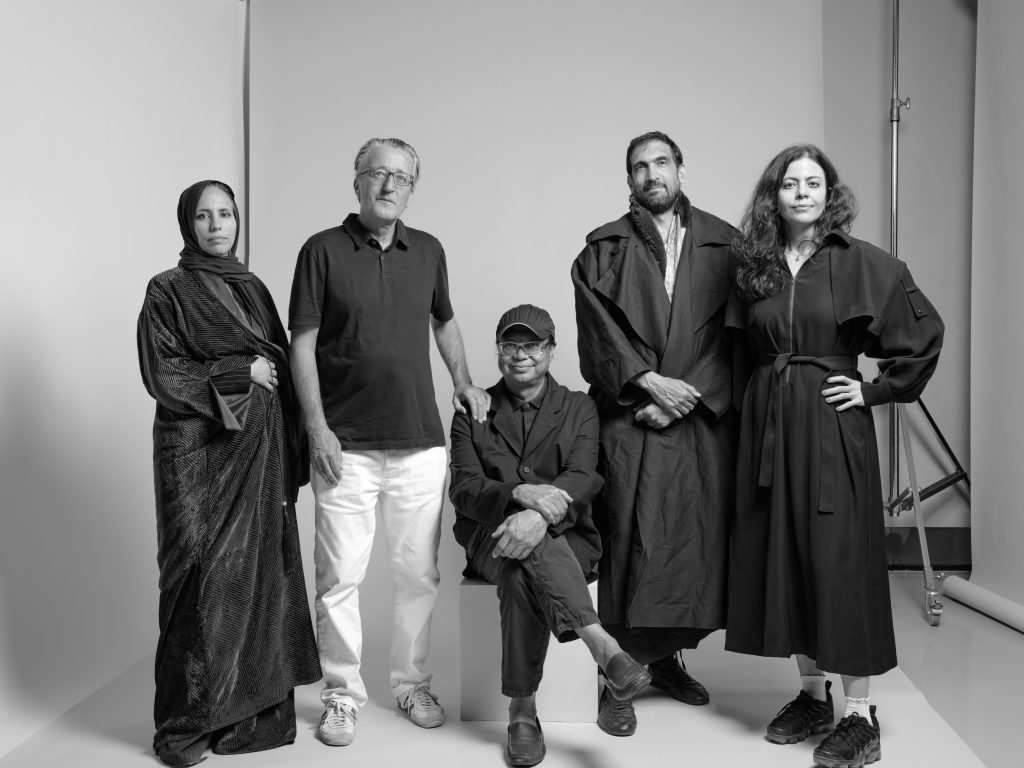
רירקריט טירווניג׳ה, סופיה אל־מריה, טארק עטוי, עליא פאריד, פאדי קטאן
Untitled 2026 (a gathering of remarkable people); Rirkrit Tiravanija, Sophia Al-Maria, Tarek Atoui, Alia Farid, Fadi Kattan
המהלך של קטאר בביאנלה של 2026 חורג מן המודל המסורתי של „ביתן לאומי” כחלל תצוגה סגור, ומציע במקום זאת פלטפורמה פרפורמטיבית־חברתית המדגישה הכנסת אורחים, שיתוף וייצור ידע קולקטיבי. האמן התאילנדי העכשווי Rirkrit Tiravanija מוכר בזכות מיצבים השתתפותיים המעמידים במרכזם קהילה כדוגמת העבודה שביססהאת מעמדו Untitled (Free), ב 1992 שבמסגרתה הגיש קארי ירוק ואורז בגלריה 303 בניו יורק. בוונציה תכנן מבנה דמוי אוהל, שמוקם בשטח בו יבנה ביתן הקבע העתידי של Qatar — המדינה הראשונה זה כשלושה עשורים המקימה ביתן לאומי חדש בג׳רדיני.
בתוך המבנה מובטחת התרחשות מגוונת סרט של האמנית הקטרית־אמריקאית Sophia Al-Maria; מופעים חיים של אמן הלבנוני Tarek Atoui; פיסול של Alia Farid הכוויתית־פוארטו־ריקנית ומה שמוגדר כתכנית קולינרית של מטבח מזרח-תיכוני של השף הפלסטיני Fadi Kattan (שוודאי תזכה לפופולריות בקרב המבקרים).
הביתן הקאטרי מסמן מהלך גיאו־תרבותי משמעותי: התבססות ארוכת טווח ומקיפה מאד של קטאר בזירה הבינלאומית של האמנות. הפרויקט הנוכחי, כמעין „פרלוד” אדריכלי ורעיוני, מציע מודל של כוח תרבותי רך שעוטף את מושג הלאומיות בתוכן רב־קולי, טרנס־לאומי ושיתופי.
הביתן הספרדי בג׳רדיני
השרידים – ארכיב של זיכרון גלובלי Oriol Vilanova Los restos: An Archive of Global Memory
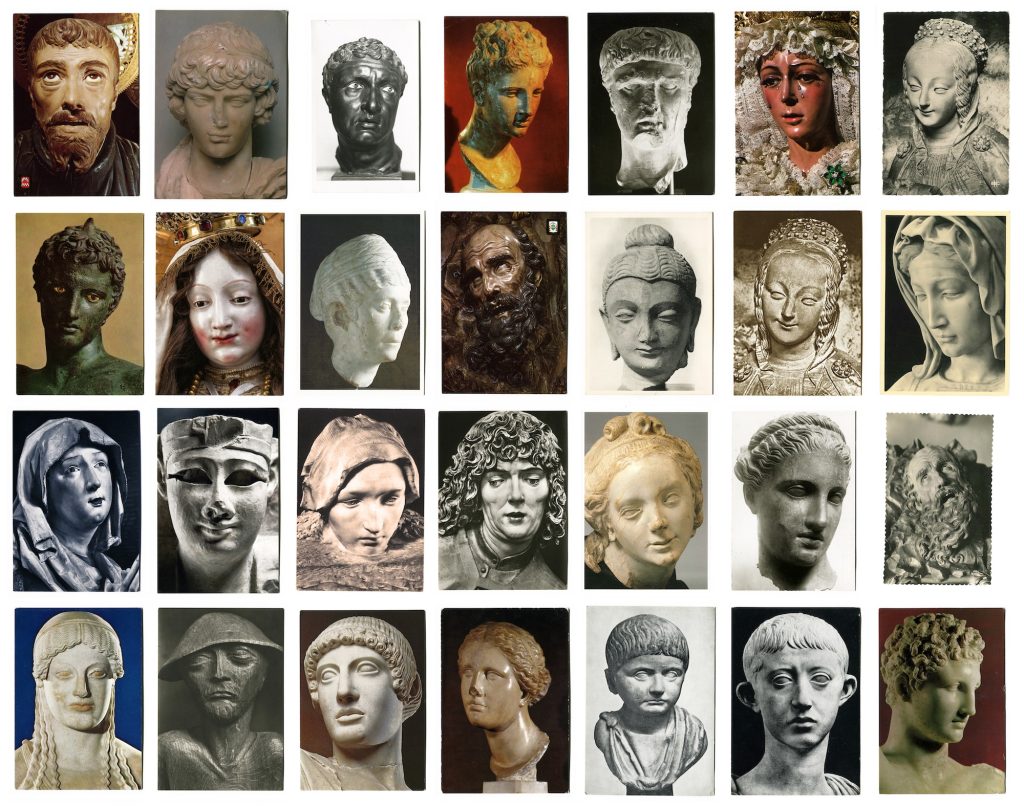
הביתן הספרדי כולו יהווה מאין מוזיאון של זיכרון מצטבר דרך אוסף גלויות שהאמן אוסף למעלה מעשרים שנה משווקי פשפשים. השרידים האלו של עידן תיירות שלפני הדיגיטציה יוצגו ללא היררכיה או נרטיב לינארי.
בביתן וילאנובה יציג הרהור בכלכלת תיווך הזיכרון וזאת בוונציה בה חיי היומיום כרוכים לבלי הפרד בתיירות : מי בונה את הזיכרון ? מה הם הדימויים הראויים להזכר ומה נשלח הביתה, מה יצור את הארכיון שלנו על מקומות שונים?
לאורך ימי הביאנלה, באזור שבין הג’רדיני והארסנלה , יערוך וילאנובה גם מיצגים שכותרתם The Phantom of Liberty . שם המיצג לקוח מסרט סוראליסטי של לואי בונואל מ 1974 בו גלויות משמשות כקטליזטור לעלילה מורכבת. מסקרן !
Three Promising National Pavilions at the 2026 Biennale
Discussion of the art itself has been largely pushed aside amid the political storms surrounding the Russian, Israeli, and American pavilions. At stake is the enduring question of the relationship between nationalism, politics, and art within a Biennale structured around nation-states—and yet, art remains its very core.
Taiwan Pavilion, Palazzo delle Prigioni
Li Yi-Fan, Screen Melancholy
Working with game engines, Li employs real-time rendering and improvisation to probe—often through dark humor—the fraught relationship between technology and the human in the internet age. In Screen Melancholy: Li Yi-Fan, a video unfolds within a simulation of the Li’s Screen Melancholy in the very building in which it is exhibited, enacting a meta-doubling: the real translated into the virtual, the virtual projected back into the real.
The narrative, tinged with surrealism, follows an eyeball attempting to find its way home, unfolding in the guise of a tutorial-like sequence. Three-dimensional printed sculptures populate the space, echoing dismembered body parts of the digital protagonists while simultaneously functioning as seating—once again dissolving the boundaries between “real” and “virtual.” A visit to Li’s exhibition in Berlin in the summer of 2025 remains vividly etched in my memory.
Qatar Pavilion, Giardini
Rirkrit Tiravanija, Sophia Al-Maria, Tarek Atoui, Alia Farid, Fadi Kattan, Untitled 2026 (a gathering of remarkable people)
Qatar’s move at the 2026 Biennale departs from the traditional model of the “national pavilion” as a closed exhibition space, proposing instead a performative-social platform centered on hospitality, sharing, and the production of collective knowledge. Rirkrit Tiravanija is renowned for participatory installations that foreground community, notably Untitled (Free), in which he served green curry and rice at the 303 Gallery in New York City.
In Venice, he has conceived a tent-like structure on the site designated for Qatar’s future permanent pavilion—the first new national pavilion to be built in the Giardini in over three decades. Within it unfolds a heterogeneous program: a film by Sophia Al-Maria; live performances by Tarek Atoui; sculptural work by Alia Farid; and a Middle Eastern culinary program by Fadi Kattan—which will no doubt prove especially popular with visitors.
The Qatari pavilion signals a significant geocultural shift: a long-term and expansive positioning of Qatar within the international art arena. The current project, functioning as both architectural and conceptual prelude, proposes a model of soft cultural power—one that envelops the notion of nationhood in a polyphonic, transnational, and collaborative framework.
Spanish Pavilion, Giardini
Oriol Vilanova, Los restos: An Archive of Global Memory
The Spanish Pavilion is conceived as a kind of museum of accumulated memory, built from a vast collection of postcards that Oriol Vilanova has gathered from flea markets over more than two decades. These remnants of the era of pre-digital tourism are presented without hierarchy or linear narrative.
Here, in Venice—where everyday life is inseparable from tourism—Vilanova reflects on the economies that mediate memory: Who constructs memory? Which images are deemed worthy of remembrance? What is sent back home, and what ultimately forms our archive of places?
Throughout the Biennale, in the space between the Giardini and the Arsenale, Vilanova will also stage performative interventions titled The Phantom of Liberty, a reference to the surrealist film of that name. In the film, postcards serve as a catalyst for a complex narrative—an apt and intriguing point of departure