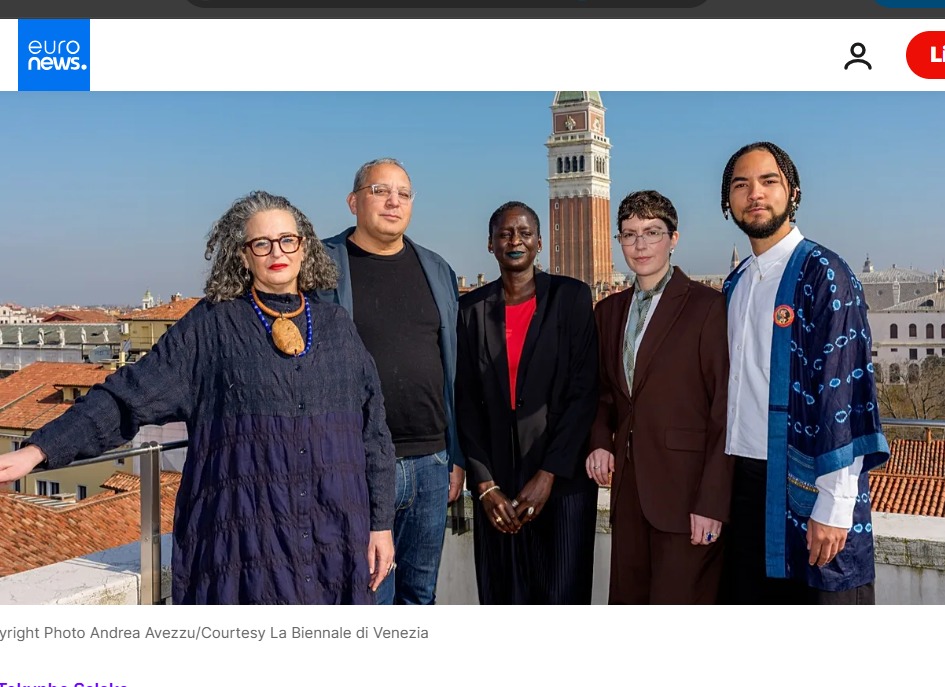
התפתחויות פוליטיות בלתי פוסקות בביאנלה 20226 שימי הטרום פתיחה שלה יחלו ביום רביעי (6/5 ). צוות השופטות לבחירת זוכי הפרסים באירוע התפטר בסוף השבוע .
למרות שלהתפטרות לא ניתנה סיבה או עילה הרי היא הוגשה יום אחרי שמשרד התרבות האיטלקי שלח מפקחים לגנים בהם נערכת הביאנלה בניסיון למצוא תירוצים אדמיניסטרטיביים כדי למנוע את פתיחת הבית הרוסי. ההכרזה על פתיחתו המחדש (לאחר שהיה סגור מאז 2022, פרוץ המלחמה עם אוקראינה) עוררה גל התנגדות אירופאי גורף ומרבית ממשלת איטליה שותפה לו (על כך בפוסט קודם על המחאות נגד הביתן הרוסי, הישראלי וגם האמריקאי. האיחוד האירופאי כבר הודיע שלא יעביר לביאנלה תקציב מובטח לשנים 25 עד 27. המחלוקת בין הביאנלה, מוסד אוטונומי, שנשיאו פייטראנג’לו בוטפואוקו מביע תמיכה בלתי מסויגת בפוטין, לבין הממשלה האיטלקית – עמוקה. (להאזנה לראיונות שערך איתי גואל פינטו ב”גם כן תרבות”מצורפים לינקים).
בניסיון פשרה תמוהה שפורסם בראשית השבוע הודיעה הביאנלה שהביתן הרוסי יהיה פתוח רק למבקרים מקצועיים ב 6-8 במאי ויסגר לאחר מכן לא סיפקה אף אחד מהצדדים. פשרה זו הושגה לאחר שצוות שופטות, שכעת התפטר, הודיע שלא יכלול מדינות שראשיהן נתבעים תביעה בית הדין הבינלאומי על פשעים נגד האנושות קרי – רוסיה וישראל.
במהלך מפתיע נוסף הודיע הבינאלה שהשנה קהל מבקרים יקבע באופן דמוקרטי את הזוכים בפרס האמן בתערוכה הבינלאומית ואת פרס האמן בבית לאומי. בהודעה לעיתונות שהוציאה הביאנלה הודגש שהפרסים יכולים להינתן לכל אחד מהביתנים הלאומיים כלומר גם לישראל ולרוסיה.

בעוד העיתונות הבינלאומית מהגרדיאן הבריטי ועד לפוליטיקו האמריקאי מדווחים על האירוע כנוכע מהמשבר בנושא הביתן הרוסי הארץ וכן ה NYT מדווחים כ שהדבר נעשה בשל תמיכה שהביע שר התרבות האיטלקי בנציג הישראלי בלו סימון פיינרו וזאת לאחר ראיונות שנתן פיינרו בעיתונות בינלאומית ואתרי אמנות. שר התרבות, מיקי זוהר שהחרים לא מעט אירועי תרבות ישראלים, וביטל את פרסי האמנות בארץ , הביע סיפוק על ההתפטרות וטען ללא פחות מניצחון . תפיסה זו היא עוד מראה לכך שהפריזמה הישראלית לקריאת המציאות הולכת ומצטמצמת. למעשה הארגון המתנגד להשתתפות ישראל ANGA (Art Not Genocide Alliance תובע שוב ושוב שיחילו על ישראל את אותם הכללים כמו על רוסיה.
Venice Biennale in Politicel turmoil as art jury resigns
Relentless political developments continue to roil the Venice Biennale on the eve of its preview days, set to begin on Wednesday (May 6). Over the weekend, the jury panel responsible for selecting the Biennale’s prize winners tendered its resignation.
Although no formal explanation was provided, the timing is telling: the resignation came just one day after the Italian Ministry of Culture dispatched inspectors to the Giardini, where the Biennale is held, in what appears to have been an attempt to identify administrative pretexts for preventing the reopening of the Russian Pavilion. The announcement of its reactivation—following its closure in 2022 at the outbreak of the war in Ukraine—has provoked sweeping opposition across Europe, a stance shared by much of the Italian government (as discussed in a previous post addressing protests against the Russian, Israeli, and American pavilions). The European Union has already signaled that it will withhold previously pledged funding to the Biennale for the years 2025–2027.
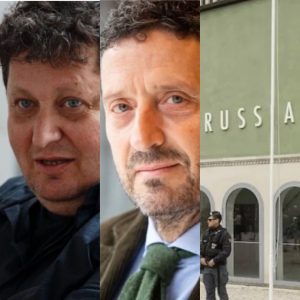
At the core lies a profound rift between the Biennale—an autonomous institution whose president, Pietrangelo Buttafuoco, has expressed unequivocal support for Vladimir Putin—and the Italian government.
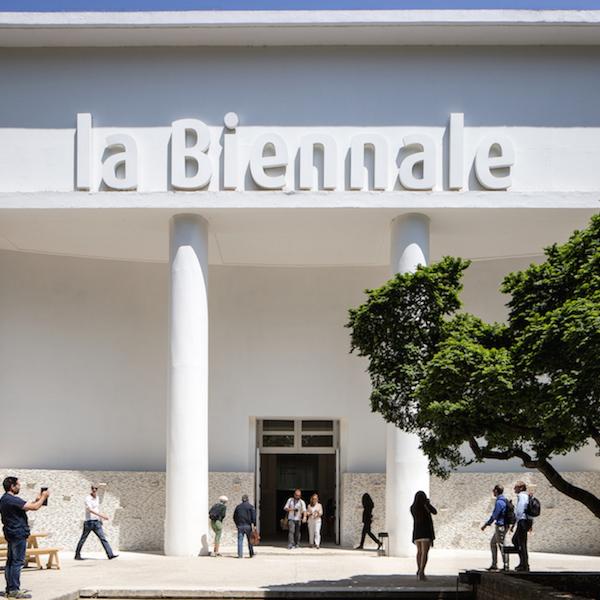
In an attempt at a perplexing compromise announced earlier this week, the Biennale declared that the Russian Pavilion would be accessible exclusively to professional visitors from May 6–8, after which it would close. This gesture has satisfied neither side. It followed a prior statement by the now-resigned jury, which declared it would not consider for awards any national representations from countries whose leaders are subject to proceedings at the International Criminal Court for crimes against humanity—namely Russia and Israel.
In a further unexpected move, the Biennale announced that, this year, prize recipients for both the International Exhibition and the national pavilions would be determined through a form of democratic vote by the visiting public. Notably, the official press release emphasized that all national pavilions—including those of Israel and Russia—remain eligible for these awards.
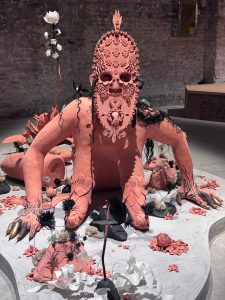
While international media outlets, from The Guardian to Politico, have framed these developments primarily through the lens of the crisis at the Russian Pavilion, Haaretz and The New York Times have reported that the resignation may also be linked to support expressed by Italy’s Minister of Culture for the Israeli representative, Blu Simone Fainaru, following a series of interviews he gave to international media and art platforms.
Israel’s Minister of Culture, Miki Zohar—who has boycotted numerous cultural events domestically and overseen the cancellation of national art prizes—welcomed the jury’s resignation, going so far as to frame it as a victory. Such a reading reflects, once again, the increasingly narrow prism through which cultural-political realities are interpreted in the Israeli context.
In fact, the organization Art Not Genocide Alliance, which opposes Israel’s participation, continues to demand that the same criteria applied to Russia be extended to Israel.
For those interested, links are attached to interviews Goel Pinto conducted with me , addressing the unprecedented political dimensions of this year’s Biennale.